

Canker Sore Inside Cheek: Causes, Symptoms, and Effective Treatments
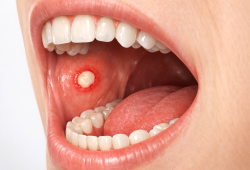
Canker sores, also known as aphthous ulcers, are painful, small lesions that can develop inside the mouth, often on the inside of the cheek. These sores can make eating, speaking, and even smiling difficult, leaving many searching for effective ways to treat them. In this post, we’ll dive deep into what causes canker sores inside the cheek, how to treat them, and tips for preventing future outbreaks.
What is a Canker Sore?
A canker sore is a shallow ulcer that typically appears on the soft tissues inside the mouth, such as the inner cheek, lips, or tongue. Unlike cold sores, which are caused by the herpes simplex virus and typically occur outside the mouth, canker sores are not contagious. While their exact cause is still unclear, several factors can trigger their development.
Common Causes of Canker Sores Inside the Cheek
Understanding the root causes of canker sores can help you manage and prevent them. Some common triggers include:
Injury or Trauma: Accidentally biting your cheek, brushing too hard, or eating sharp foods (like chips) can cause trauma that leads to a canker sore.
Stress and Hormonal Changes: High stress levels or hormonal fluctuations (such as those experienced during menstruation) can trigger canker sores.
Nutritional Deficiencies: Lack of vitamins, especially B12, folate, and iron, can make you more susceptible to developing canker sores.
Certain Foods: Acidic or spicy foods like citrus fruits, tomatoes, or chocolate can irritate the mouth lining and contribute to sore development.
Underlying Health Conditions: Conditions like celiac disease, Crohn’s disease, or a weakened immune system may make you more prone to canker sores.
Symptoms of a Canker Sore Inside the Cheek
Canker sores are easy to identify by their distinct symptoms. Here’s what to look out for:
Pain: A canker sore can be quite painful, especially when you eat or speak.
White or Yellow Center: The sore will usually have a white or yellowish center surrounded by a red border.
Size: Most canker sores are small, usually less than 1 inch in diameter, though they can sometimes grow larger.
Location: Canker sores typically appear on the soft tissues inside the mouth, like the cheeks, tongue, or the roof of the mouth.
How to Treat a Canker Sore Inside the Cheek
While canker sores generally heal on their own within 7-10 days, there are several ways to manage the pain and speed up healing:
Over-the-Counter (OTC) Treatments
Topical Gels and Creams: Products like Orajel or Anbesol can provide pain relief and help numb the area around the sore.
Antiseptic Mouthwash: Using a mouthwash with antiseptic properties (like chlorhexidine) can reduce inflammation and prevent secondary infection.
Hydrocortisone Cream: A mild corticosteroid can reduce inflammation and swelling, especially for larger canker sores.
Home Remedies
Salt Water Rinse: Dissolve 1/2 teaspoon of salt in a cup of warm water and rinse your mouth. This can help soothe the pain and promote healing.
Honey: Honey has natural antibacterial and healing properties. Applying a small amount of honey to the canker sore may help reduce pain and speed healing.
Aloe Vera Gel: Aloe vera has soothing properties that can calm irritation. Gently apply aloe vera gel to the sore a few times a day.
Baking Soda Paste: Mix a small amount of baking soda with water to form a paste and apply it directly to the sore. This can help neutralize acidity and relieve pain.
Pain Management
Ice: Sucking on an ice cube or applying ice directly to the sore may numb the area temporarily, providing pain relief.
Pain Relief Medications: If the pain is severe, you can take over-the-counter pain relievers like ibuprofen or acetaminophen.
How to Prevent Canker Sores Inside the Cheek
While you may not always be able to prevent canker sores, the following tips can reduce the likelihood of future outbreaks:
Maintain Oral Hygiene: Brush your teeth gently with a soft-bristled toothbrush and avoid using toothpaste that contains sodium lauryl sulfate (SLS), which may irritate the mouth.
Avoid Trigger Foods: If you know certain foods (such as citrus fruits or spicy snacks) tend to cause irritation, try to avoid them.
Manage Stress: Stress is a major trigger for canker sores. Practicing relaxation techniques like yoga, meditation, or deep breathing exercises can help reduce stress levels.
Stay Hydrated: Dehydration can make your mouth more susceptible to sores, so be sure to drink plenty of water throughout the day.
When to See a Doctor
While most canker sores heal on their own, you should consult a healthcare provider if:
The sore doesn’t heal within 2 weeks.
You experience excessive pain or swelling.
You develop a fever.
You have a history of recurring or severe canker sores.
Final Thoughts
Canker sores inside the cheek can be a frustrating and painful condition, but with the right treatments, they can be managed effectively. By understanding the common causes and adopting proper care strategies, you can reduce the frequency and severity of outbreaks. If you find that your canker sores are persistent or unusually painful, it’s important to consult a healthcare professional for a tailored treatment plan.
Remember: If you frequently get canker sores or if they’re affecting your quality of life, it’s always a good idea to consult with a doctor or dentist. They can help identify underlying causes or provide more targeted treatments.
Canker Sore Inside Cheek: Causes,…
Continue Reading
Don’t Just Be Thankful for…
Continue Reading